|
While reading Isadora: A Sensational
Life, Peter Kurth’s 2001 account of the twentieth century’s most
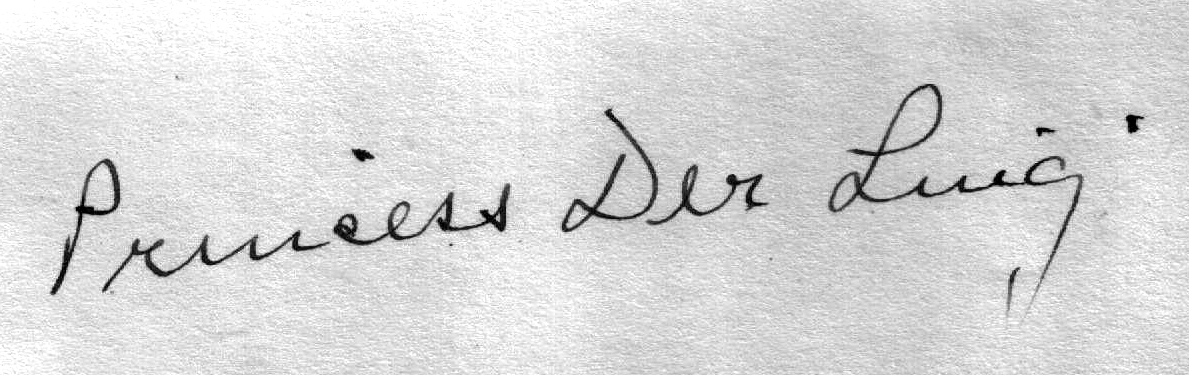
influential dance reformer, I encountered a reference to a Chinese woman named Princess Der Ling who as a teenager had studied
with Isadora in Paris between 1899 and 1903. Kurth quoted several piquant remarks
on Duncan made by this writer, including her recollections of Duncan’s barbed commentary on the needlessness of the
clothes women were forced to wear by custom and the overtures from men they were forced to endure for the same set of sexist
reasons. For all her youth, and considering she came from a culture to which
Western dance and Duncan’s special take on it were foreign territory, Der Ling seemed remarkably aware of both Duncan’s
farsighted feminism as well as her artistic genius, another factor that intrigued me.
|
|
 |
|
Later on, when I read Dragon Lady, Sterling
Seagrave’s 1992 biography of Empress Dowager Cixi, I met Der Ling again, and discovered that while making an effort
to rehabilitate the maligned Empress Dowager Seagrave also addressed the denigration (by many of the same sources) of this
woman and her contributions to late Qing historiography. Seagrave’s book
led me to find and read all of Der Ling’s books, along with her several published articles. Through chance references to her in the memoirs, diaries and travel writings contemporary with her timeframe
of late-Qing, early-Republic China that I read subsequently, I occasionally found doubts about her facts (or the way in which
she related them) and especially about her title, and realized from the beginning that Der Ling was nothing if not a figure
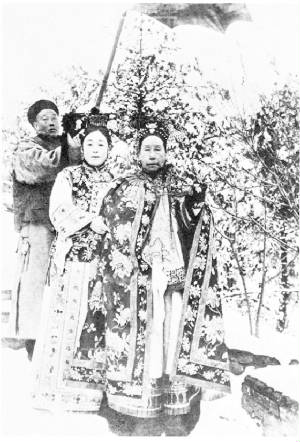
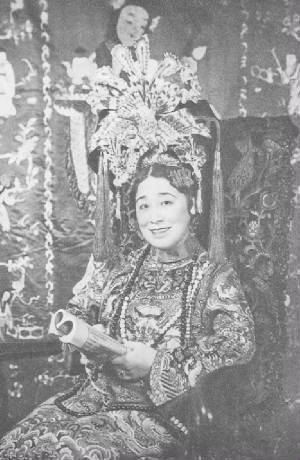
of controversy. Daughter of a Manchu aristocrat, granddaughter of a Boston merchant,
educated like a boy in the Confucian classics, a baptised Catholic blessed by the hand of Pope Leo XIII, a woman who donned
chic Western fashions in China and her ceremonial court robes in the United States, and wife of an American soldier of
fortune... Der Ling was a fascinating human battleground of warring identities, a victim of the hallucinogenic
effects of too much publicity, much of it prompted by Der Ling herself, and a figure whose life provides a glimpse into one
woman’s experience of living not just between two cultures—that of China and the West—but among many worlds:
social, religious, moral, political.
I knew I had to tell her strange, complex, fascinating story.
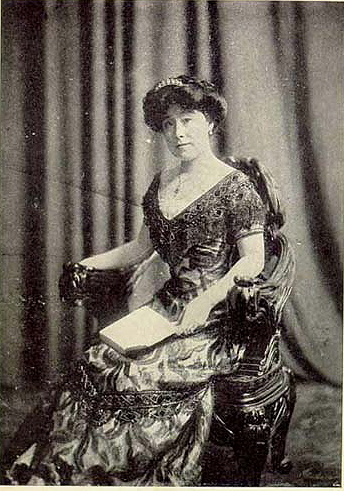
| Princess Der Ling in 1939 |
|
|
 
|